In smart green manufacturing, weather-resistant precision injection parts are core in automotive, construction, and outdoor electronics. Their reliability under harsh conditions—from UV/acid rain to extreme temperatures—directly impacts end-products. With 5G and new-energy sectors driving demand, optimizing material formulas to balance durability, precision, and cost is now critical.
Automotive: Components face -40°C~120°C cycles, UVB (≥0.68W/㎡), salt spray, and chlorides. E.g., mirror housings without proper treatment chalk and fade (delta E>5).
Construction: Profiles need stability in acid rain (pH≤4.5), high humidity (RH≥90%). Unoptimized PVC loses >40% tensile strength after 5,000h aging.
New Energy: PV junction boxes require UL94 V-0 and 100MΩ insulation after 1,000h at 85°C/85%RH; ABS hydrolyzes here.
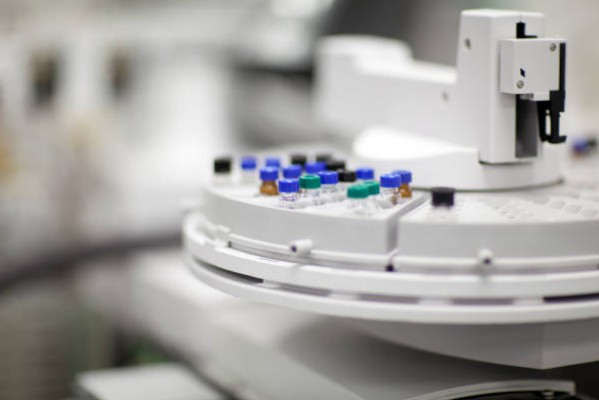
Aging Test: Xenon arc (340nm, 1.2W/㎡) yields ΔYI≤5 and tensile retention ≥85%.
Thermal Stability: DSC shows OIT≥20min at 200°C for high-temp use.
PC: 90% transparency, 60kJ/㎡ impact; add 0.3-0.5% UV absorbers for optics.
PP: 0.91g/cm3, chemical-resistant; 0.2% HALS prevents oxidation for auto parts.
PEEK: 316°C HDT, radiation-resistant; 30% CF composites for industrial use.
Glass fiber treated with KH-550 boosts PP/GF bond by 40%, wet strength retention to 82%.
2-3% nano-TiO? in PC shields UV and raises HDT by 10-15°C.
UV+HALS: 1:1.5 UV-328/HALS-944 in PE lifts elongation retention from 52% to 78% after 5,000h.
NBC in ABS: 0.1-0.2% quenches peroxides, raises aging strength by 15-20%.
PA66 end-capping: 0.5% caprolactam cuts hydrolysis loss from 3.2% to 1.1%.
PC temp: 280-300°C (avoid >320°C degradation), 80-100°C mold for stress reduction.
PA6 annealing: 120°C/2h removes 90% stress, cuts cracking risk by 70%.
Biobased PLA: Grafted MAH +1% montmorillonite extends outdoor life to 12 months.
Halogen-free FR: 3:7 MPP/ATH in PP meets UL94 V-0, avoids UV gas release.
Self-healing PU: DCPD microcapsules repair 85% of UV-induced cracks.
Formulation optimization now focuses on lifecycle solutions. Hooren Mould’s 20-year experience shows proper formulas double product life. Contact us for tailored material designs and testing support.