-
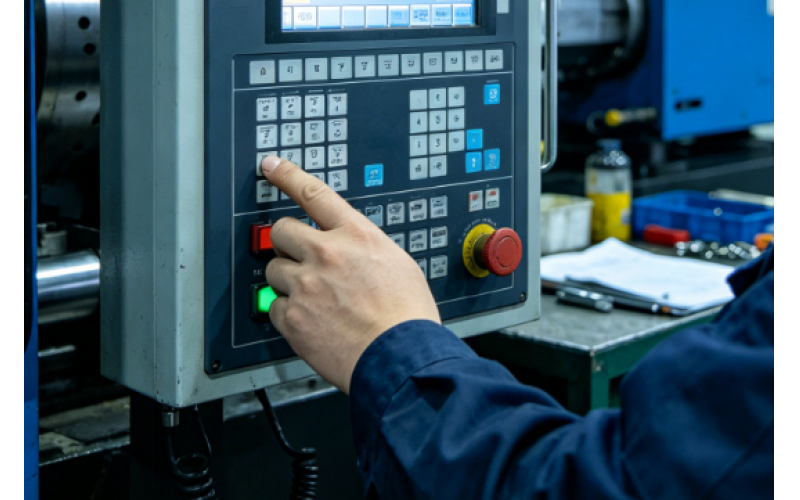
Analysis of Injection Molding Temperatures for High-Temperature Resistant Plastics
High-temperature resistant plastics are widely used in automotive, electronic, and electrical applications due to their excellent thermal stability, mechanical strength, and chemical resistance. These
2026/04/14 Injection Molding
-
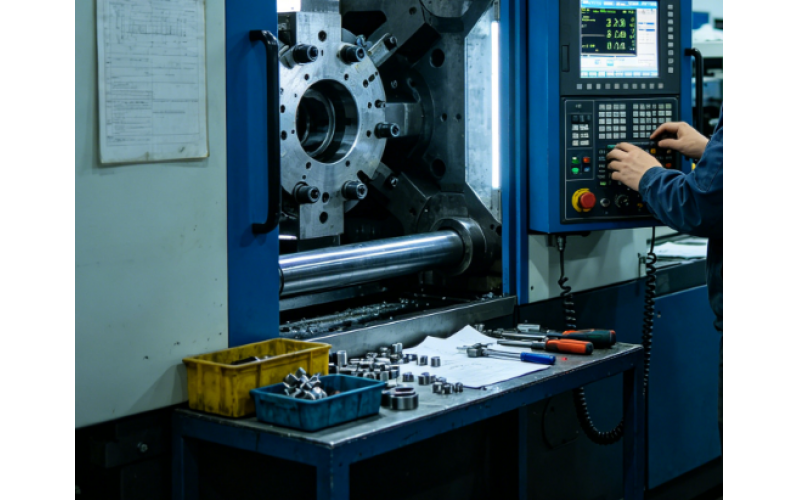
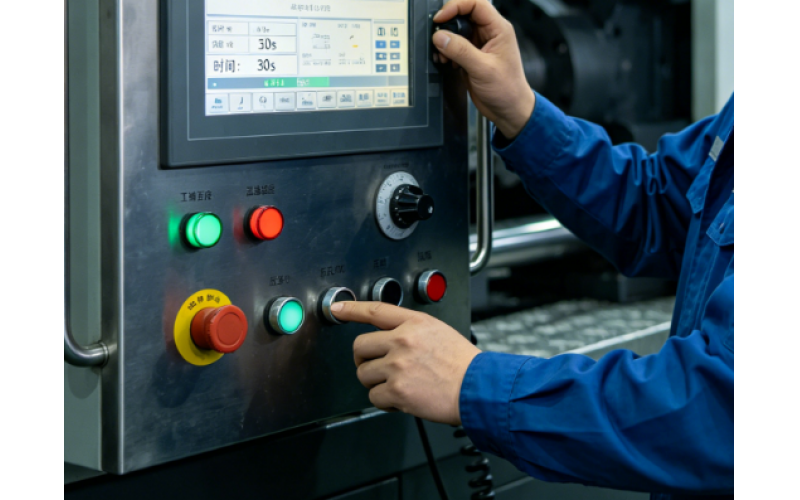
Core Causes and Solutions for Injection Molding Short Shots
Short shots—melt failing to fill cavities completely—cause incomplete edges, underfilled ribs, and missing contours, harming appearance, assembly, and performance. Severe cases lead to mass scrap, hig
2026/04/13 Injection Molding
-
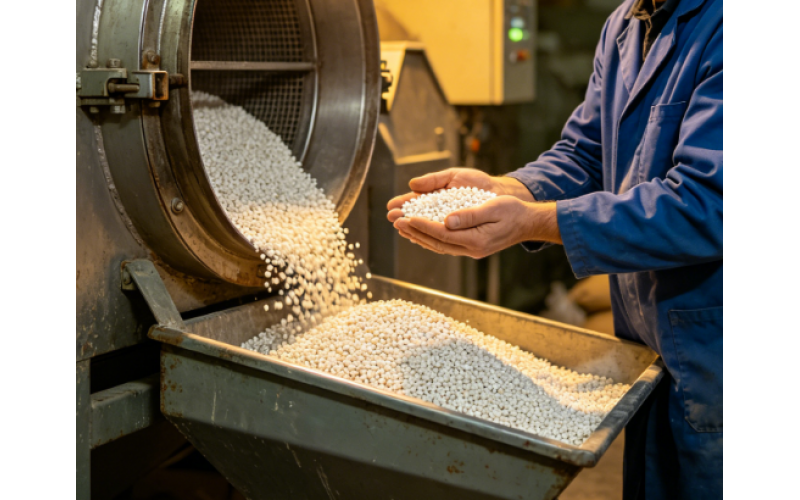
Core Differences Between Blow Molds and Injection Molds
Blow molds and injection molds are widely used plastic molding tools with distinct structural differences. Divergent molding principles lead to variations in cavity design, motion logic, feeding, vent
2026/04/13 Injection Molds
-
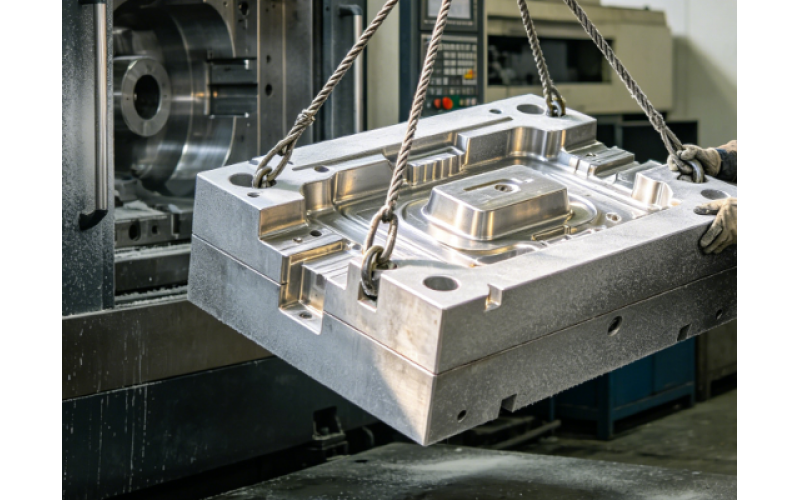
Standard Procedures for Plastic Mold Trial
Mold trial is critical to verifying structural validity, optimizing parameters, and confirming quality. A standardized procedure ensures mold safety, fast parameter locking, and stable mass production
2026/04/13 Plastic Mold
-
![Effective Solutions for Injection Molding Sticking]()
Effective Solutions for Injection Molding Sticking
Injection molding sticking is a common production issue that causes product deformation, breakage, and damage to mold cavities and ejector pins, severely reducing efficiency and yield. Forcing parts l
2026/04/13 Injection Molding
-
![Complete Guide to Injection Molding Temperature and Mold Temperature Settings for TPE and TPV]()
Complete Guide to Injection Molding Temperature and Mold Temperature Settings for TPE and TPV
Thermoplastic elastomers including TPE and TPV are widely used in automotive parts, electronics, daily necessities, sealing components, and handfeel soft-touch products due to their excellent elastici
2026/04/11 Injection Molding
-
![Precautions for PFA Plastic Injection Molding]()
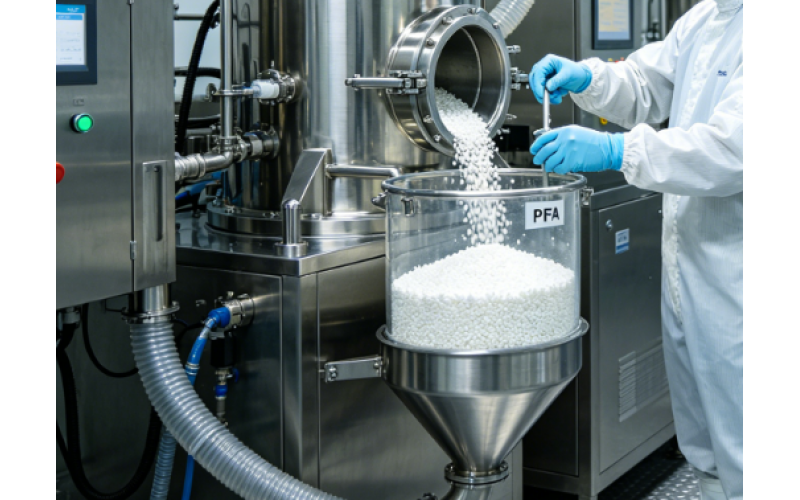
Precautions for PFA Plastic Injection Molding
PFA (perfluoroalkoxy alkane) offers exceptional heat resistance, corrosion resistance, electrical insulation and high purity, making it widely used in semiconductor components, high-purity fluid pipel
2026/04/10 Plastic Injection Molding
-
![How to Select Plastic Shore Hardness? Mold Design & Product Application]()
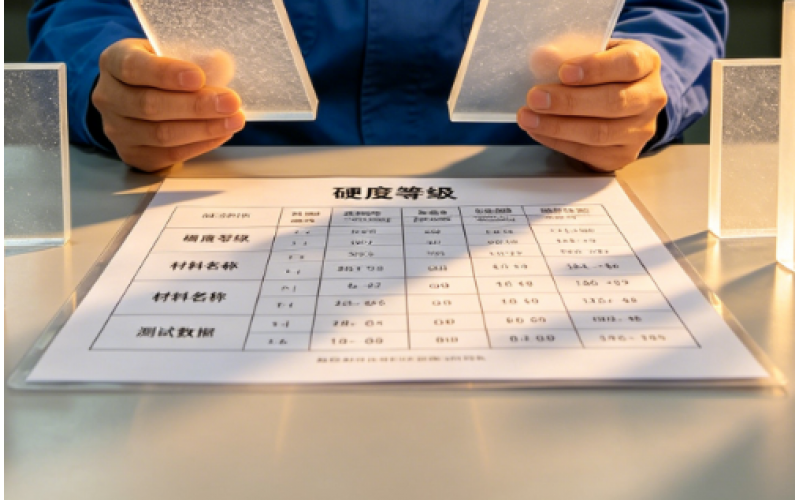
How to Select Plastic Shore Hardness? Mold Design & Product Application
Shore hardness reflects the rigidity, toughness, and feel of plastic materials. It directly influences mold structure design, injection parameters, demolding performance, and final product functionali
2026/04/10 Plastic Molds