Summary of key design Points for Precision Injection Molded Parts
1. Mold Opening Direction and Parting Line
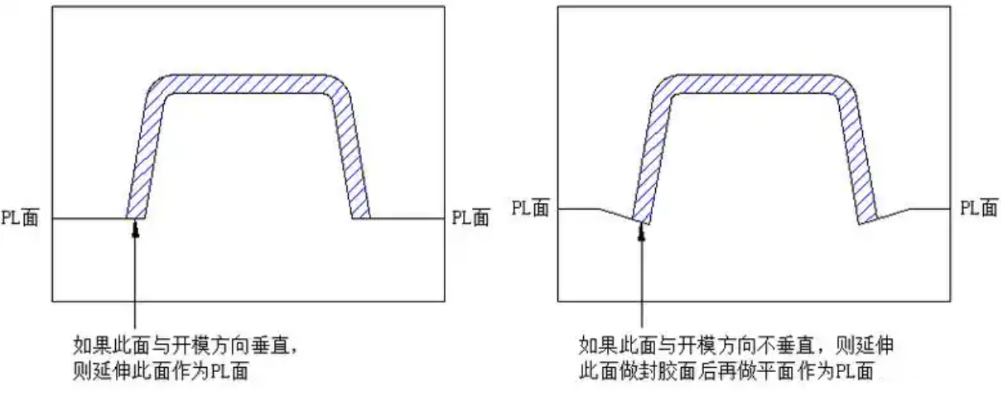
Plan the mold opening direction to align with ribs, buckles, and protrusions, reducing core-pulling mechanisms. Position the
parting line to avoid visible marks on cosmetic surfaces, as seen in electronic device casings where strategic line placement
enhances aesthetics.
2. Draft Angle
Smooth surfaces: ≥0.5°
Fine textures: ≥1°
Coarse textures: ≥1.5°
For deep cavities, use smaller external draft than internal to ensure uniform wall thickness and structural stability, critical for
phone cases.
3. Wall Thickness
Maintain 0.5-4mm thickness; exceeding 4mm risks shrinkage. Ensure uniformity—abnormalities caused 15% porosity in appliance
housings, reduced to <5% after optimization. Use gradual transitions for thickness changes.
4. Rib Design
Thickness: <1/3 of wall thickness to prevent sink marks
Draft: ≥1.5°
Automotive interiors use optimized ribs to boost rigidity without increasing weight or cost.
5. Fillets and Holes
Prefer circular shapes
Align axis with mold opening direction
Long-diameter ratio >2 requires draft
Blind holes: ratio ≤4
Edge distance > hole diameter (critical for electronic connectors)
6. Core-Pulling/Slider Avoidance
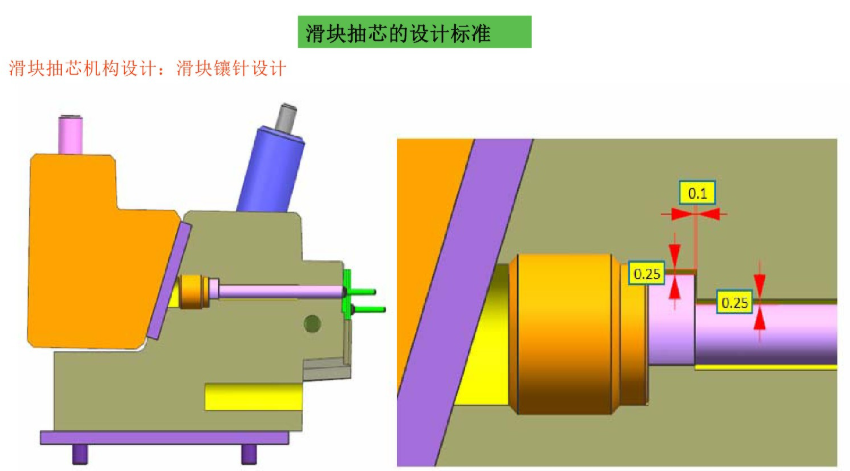
Minimize core-pulling to reduce mold costs and defects. Simplify structures by aligning holes/ribs with mold opening direction, as
in toy components.
7. Precision and Deformation Control
Rigid structures (avoid flat panels)
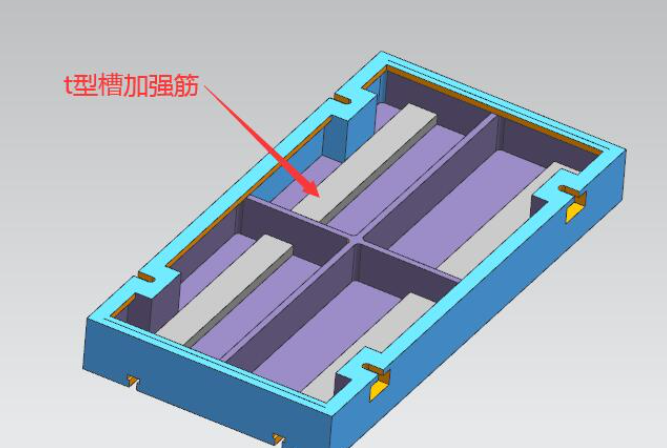
Flanges, concave-convex features, and ribs
Tablet casings achieve minimal warpage through such designs.
8. Welding and Snap Fit
Multiple snaps extend service life
Control tolerances strictly
Reserve modification space
Common in electronics for easy assembly/disassembly.
In summary, precision injection part design demands holistic consideration of structure, materials, and manufacturing, with
continuous optimization to meet market needs.