Injection mold opening process
1. Project Initiation Phase
The customer clearly communicates product requirements, including shape, dimensional accuracy, material, production volume, and surface finish, to the mold manufacturer, and provides 3D drawings or physical samples for precise understanding. The manufacturer analyzes mold structure complexity, estimates production cycles, calculates costs, and feeds back quotations and schedules. Once agreed, a contract is signed to define rights, responsibilities, and quality standards. The customer pays an advance, typically 30% - 50% of the total price, to start the project.
2. Mold Design Phase
(1) Product Analysis
Using software like Moldflow, the design team analyzes the 3D model to determine parting lines, accounts for shrinkage, and optimizes structures to reduce deformation risks.
(2) Mold Structure Design
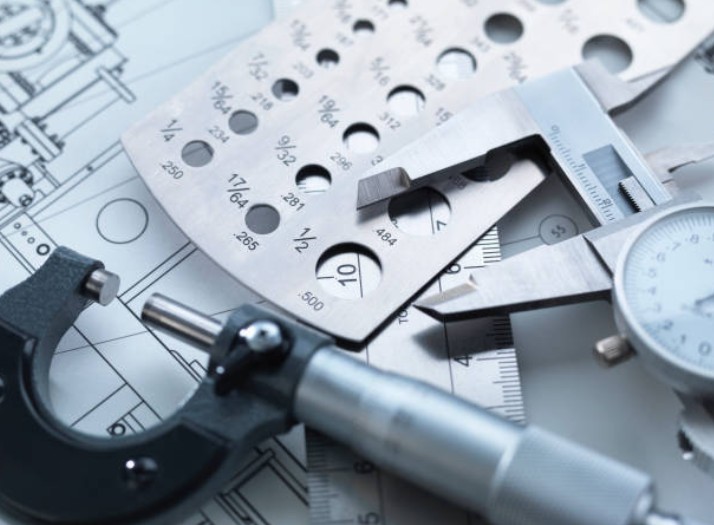
Design the mold structure, including cavity quantity, inserts, side cores, and gating and cooling systems. Select materials, define heat treatment and surface finishes. Draw 2D engineering drawings with specified tolerances and roughness.
(3) Design Review
Experts review the design for smooth mold opening and closing, cooling efficiency, and structural strength. Revise based on feedback to ensure feasibility and cost - effectiveness.
3. Raw Material Procurement Phase
(1) Material Selection
Choose mold steels and standard parts. Select appropriate materials based on mold application requirements.
(2) Supplier Selection
Partner with reliable suppliers and sign contracts specifying specifications, quantity, price, and delivery.
(3) Material Inspection
Check hardness, chemical composition, and dimensions. Reject non - conforming materials.
4. Mold Processing Phase
(1) Part Machining
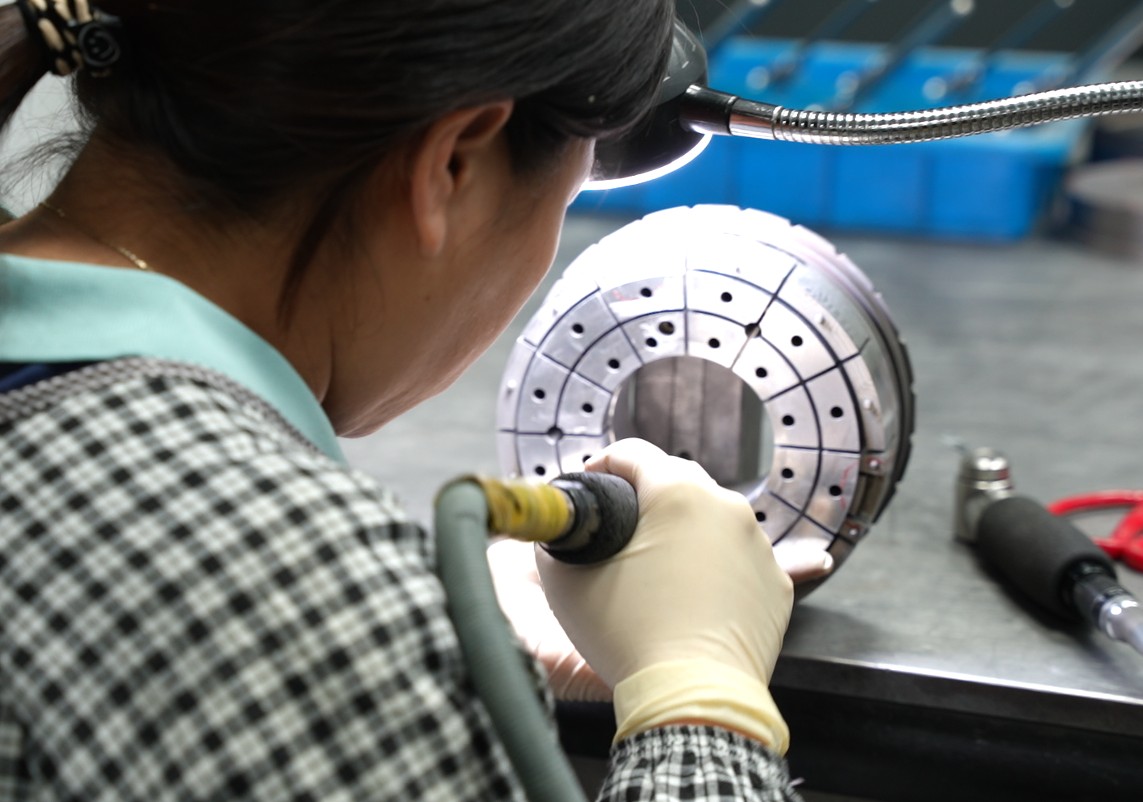
Use milling, lathe, grinding, EDM, and wire - cutting to machine parts, controlling critical tolerances and roughness.
(2) Heat Treatment
Perform quenching, tempering, or nitriding on critical parts to enhance durability.
(3) Surface Treatment
Apply chrome plating, nickel plating, or polishing as needed.
5. Mold Assembly Phase
(1) Part Cleaning
Clean parts to remove oil and debris for smooth assembly.
(2) Mold Assembly
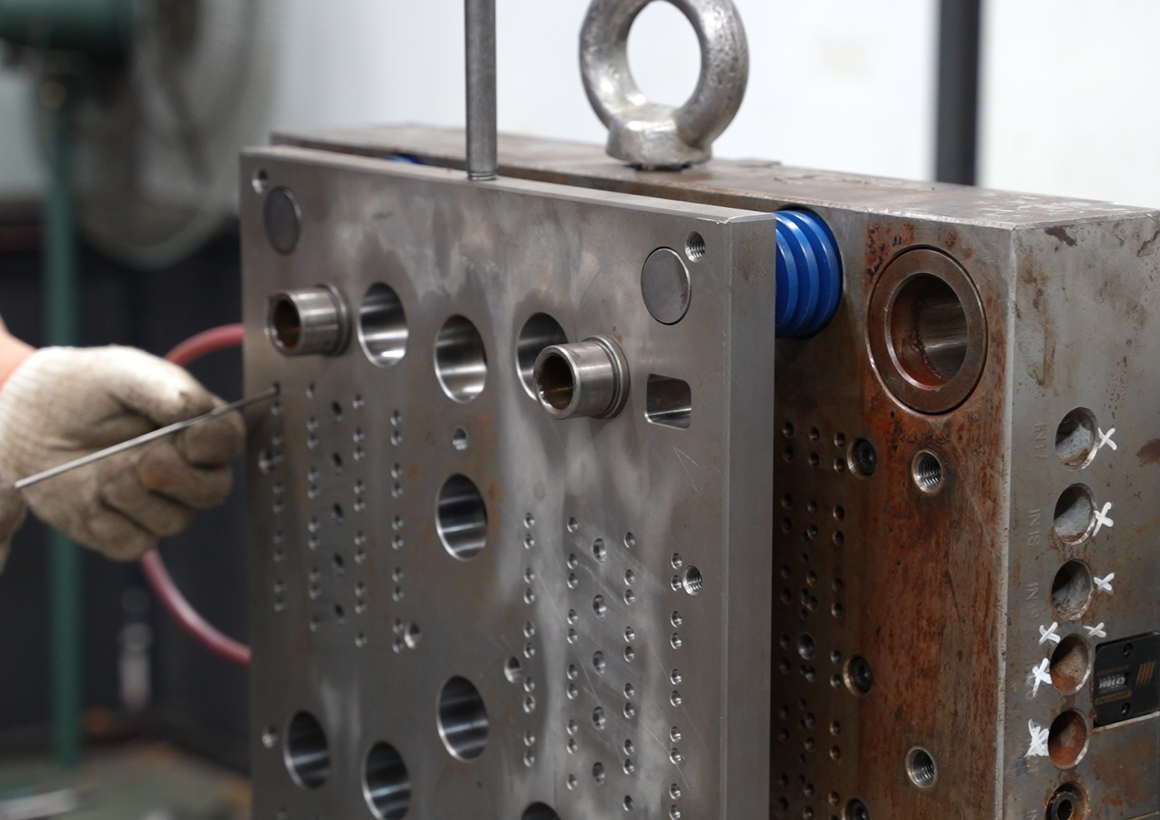
Assemble the mold base, inserts, side cores, and gating, cooling, and ejection systems. Control fit clearances for smooth operation.
(3) Debugging & Optimization
Test mold opening, closing, and ejection. Run trial injections, adjust until samples meet requirements.
6. Mold Acceptance Phase
(1) Visual Inspection
Check for scratches, rust, and clear markings.
(2) Dimensional Measurement
Verify critical dimensions with tools.
(3) Functional Testing
Test mold opening, ejection, cooling, and gating. Ensure smooth demolding without damage.
7. Packaging & Transportation Phase
(1) Packaging
Pack molds in wooden or metal boxes with cushioned materials to prevent damage.
(2) Transportation Arrangement
Partner with professional carriers, insure appropriately, and monitor transit.
8. After - sales Service Phase
(1) On - site Installation & Debugging
Send technicians to install and debug the mold on the customer’s injection machine.
(2) Operator Training
Train operators on installation, disassembly, maintenance, and troubleshooting.
(3) Maintenance
Respond to repair requests promptly. Regularly inspect molds to extend service life.