Specific Gravity (Density) of TPR
TPR (Thermoplastic Rubber) is a thermoplastic elastomer based on SBS, with flexible formulation and outstanding soft touch.
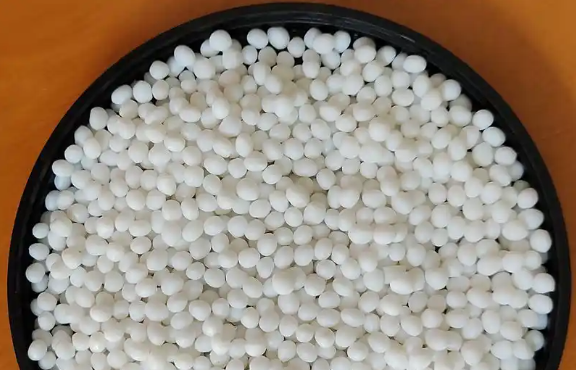
Its density varies widely with hardness and filling system, and obvious differences exist among different grades and modified types, as detailed below:
General-Purpose Soft TPR (Hardness 0A–80A, Unfilled / Lightly Filled): 0.88~1.10 g/cm3, typical value 0.92 g/cm3, low density for soft formulations, close to the substrate density
Medium Hardness TPR (85A–95A): 1.05~1.20 g/cm3, typical value 1.12 g/cm3, balanced ratio of soft and hard segments, the most widely used in daily products
High Hardness TPR (Around 60D): 1.15~1.25 g/cm3, typical value 1.20 g/cm3, high hard segment proportion, density increases accordingly
Mineral Filled TPR (Calcium Carbonate / Talc Filled): 1.20~1.50 g/cm3, the higher the filler content, the higher the density, mostly used to reduce cost and adjust processability
Flame Retardant TPR: 1.18~1.30 g/cm3, typical value 1.23 g/cm3, flame retardant addition makes density slightly higher than general-purpose TPR of the same hardness
Food Contact Grade TPR: 0.90~1.12 g/cm3, typical value 1.00 g/cm3, no harmful fillers, density closer to pure substrate level
This density parameter is a core basis for the design of daily necessities grips, toys, shoe soles, seals, cable sheaths and other products. The adjustability of density makes it suitable for different hand feel, weight and cost requirements. Density calculation is also key data for injection / extrusion mold design, product weight control and assembly fit accuracy control, while supporting its core properties of high elasticity, soft touch and easy processability.