Material Selection for TPE Molds
TPE (thermoplastic elastomer) offers soft touch, elasticity, and good processability, widely used in consumer goods, handles, electronics, automotive, and sealing components. TPE compounds often contain oils, plasticizers, additives, and fillers that can corrode or stick to molds. Proper mold steel selection directly affects service life, appearance, and productivity.
Key Requirements for TPE Mold Steels
Corrosion resistance: to prevent rusting from additives and oils
Good polishability: for smooth surface and easy release
Abrasion resistance: for filled TPE compounds
Stable thermal conductivity: for consistent cooling
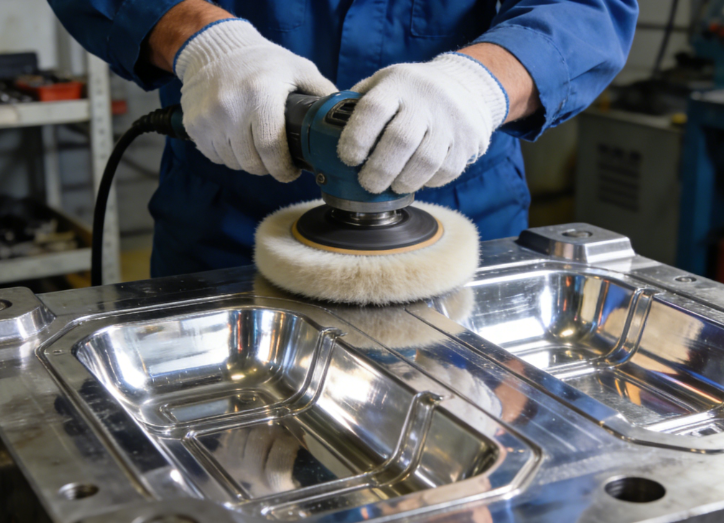
Good machinability and low distortion
Material Selection Principles
Select mold steels based on production volume, appearance requirements, corrosion level, and overmolding needs.
Material Grades for Different Applications
Low to Medium Volume, Standard Parts
Economical pre-hardened steels are cost-effective for simple, non-appearance parts with mild TPE formulations.
Medium to High Volume, Appearance Parts and Overmolds
Pre-hardened corrosion-resistant steels with excellent polishability are the most common choice. They resist staining, rust, and wear for long-term production.
High-End, High-Corrosion, Clear TPE Parts
High-purity, high-corrosion-resistant mirror-grade steels are used for medical, food, transparent, and ultra-long-life molds.
Material Selection for Different Mold Components
Cavity and core: main performance materials
Slides, lifters, inserts: wear-resistant, matching hardness
Runners and gates: smooth and erosion-resistant
Mold bases and standard components: conventional quality
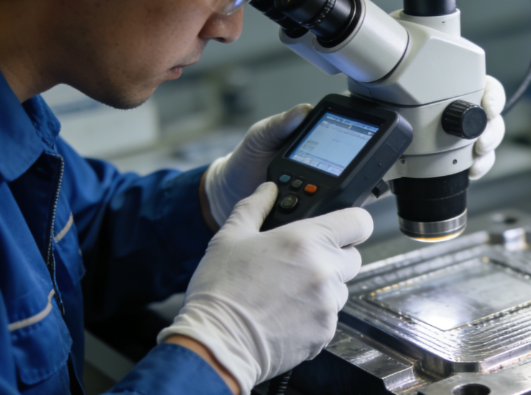
Heat Treatment and Surface Treatment
Most TPE molds use pre-hardened steels to avoid quenching distortion. Local nitriding improves wear resistance. Polishing, chrome plating, or coatings reduce sticking.
Common Misconceptions
Using excessively cheap steel leads to rapid rust and wear. Over-specifying high-alloy steel increases cost unnecessarily. For overmolds, match steel durability on both hard and soft sides.
Conclusion
TPE mold material selection should balance corrosion resistance, polishability, wear resistance, and cost. Choosing the right steel based on TPE formulation, part requirements, and production volume ensures long mold life, stable quality, and high efficiency.