How to Overcome Difficulties in Soft Rubber Injection Molding
2026-03-07 11:44:53
Injection Molding
Soft rubber materials, including TPE, TPR, TPU, PVC, and LSR, are widely used for their elasticity, soft touch, and sealing performance. However, their high elasticity, low hardness, and high viscosity create significant manufacturing challenges, such as sticking, deformation, flashing, poor demolding, and dimensional instability. Overcoming these difficulties requires systematic optimization of materials, molds, processes, and handling.
Material Preparation and Control
Most soft materials absorb moisture, which causes bubbles, silver streaks, and poor surface quality. TPU and TPE must be dried at 80–90°C for 2–3 hours using a dehumidifying dryer. Consistent material grades and hardness must be maintained to avoid flow inconsistency. Recycled material ratio should be limited, especially for high-quality appearance products.
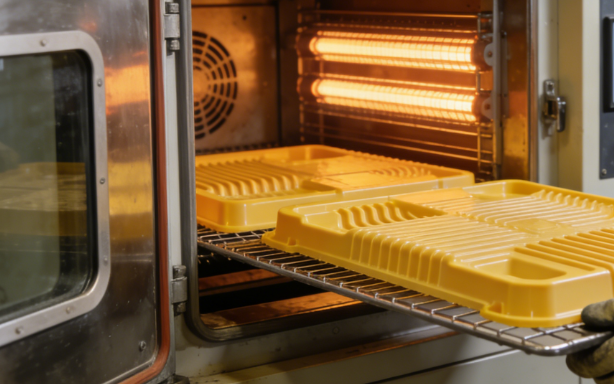
Mold Structure OptimizationSoft rubber molds require special design. Gates should be fan or side gates to reduce jetting. Runners should be short and smooth. Venting is critical, with vent depths of 0.015–0.025 mm to prevent burning and flashing. High polishing and chrome or Teflon coating reduce sticking. Draft angles should be 1°–3°, larger than for hard plastics. Ejection should use stripper plates or uniform ejector pins to avoid deformation.
Injection Molding Process Parameters
Soft materials are sensitive to shear and pressure. Parameters should follow the principle of low stress, stable filling. Moderate barrel temperatures, low-to-medium injection speed, and low pressure are recommended. Pack pressure and time should be minimized to avoid over-packing. Mold temperature must be stable for consistent quality.
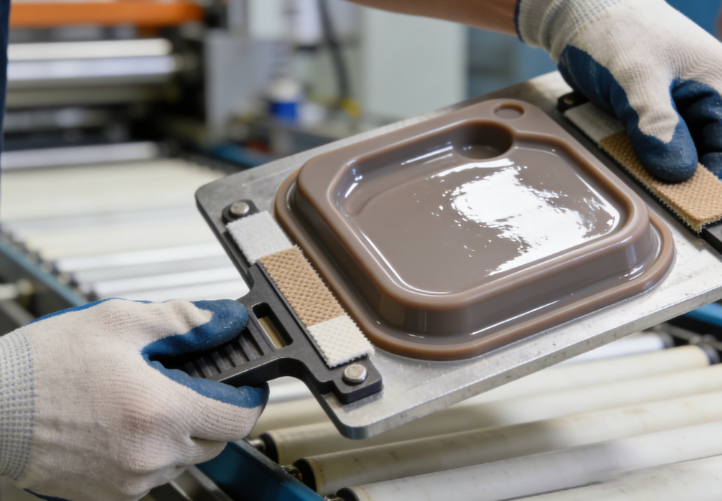
Demolding and Post-ProcessingSlow ejection and gentle handling prevent deformation. Jigs and trays should be used for storage. Annealing or fixture cooling may be applied for high-precision parts to stabilize dimensions and reduce internal stress.
ConclusionBy optimizing material preparation, mold design, injection parameters, and post-processing, most difficulties in soft rubber molding can be resolved, leading to high yield and stable production.