How to Select Wear-Resistant Materials for Molds
2026-03-07 11:37:19
Plastic Molds
Mold wear is a major cause of failure, dimensional error, flashing, and poor product quality. Wear is particularly severe in applications involving glass fiber reinforced plastics, filled materials, die-casting metals, and abrasive compounds. Selecting the right wear-resistant materials can extend service life, reduce maintenance, and improve productivity. The choice depends on abrasiveness, production volume, mold structure, precision, and cost.
Identify Wear Mechanisms
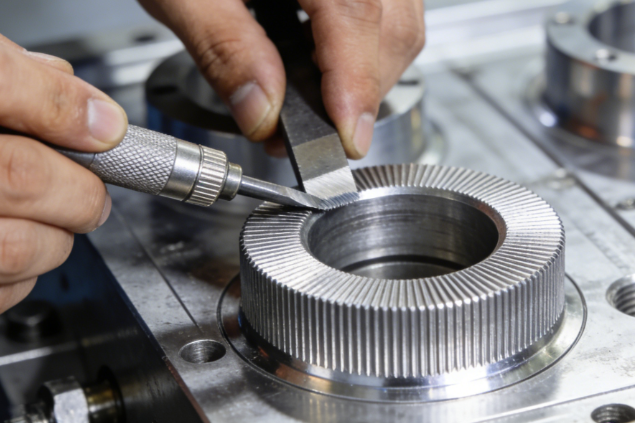
Mold wear includes abrasive wear, adhesive wear, erosive wear, and corrosive wear. Abrasive wear from hard particles requires high hardness. Erosive wear from high-speed flow requires toughness and hardness. Corrosive wear requires corrosion-resistant stainless steels.
Select Materials Based on Raw Material Abrasiveness
Low abrasiveness: PP, PE, ABS, PC. Use pre-hardened steels: 718H, NAK80.
Medium abrasiveness: 10–30% GF PA66, PBT, filled compounds. Use H13, SKD61, S136.
High abrasiveness: >30% GF, ceramic-filled, metal powders, die-casting alloys. Use VIKING, STAVAX, ASP23, ASP30.
Select Materials Based on Production Volume
Low volume (<500,000 shots): pre-hardened steels.
Medium volume (500,000–1,000,000 shots): heat-treated steels H13, S136.
High volume (>1,000,000 shots): high-performance stainless and powder steels.
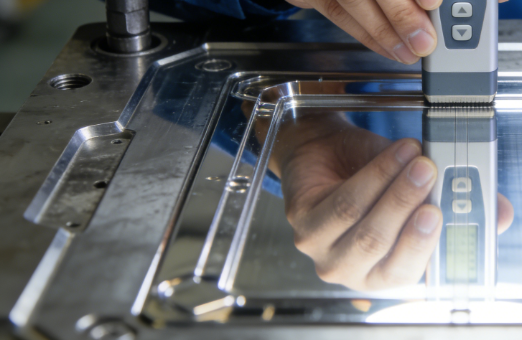
Component-Based Material SelectionCavity: core wear-resistant materials.Gates and runners: most abrasive, use ultra-high wear materials.Slides and lifters: balanced toughness and wear resistance.Non-forming parts: standard structural steels.
Balancing Hardness, Toughness, and Corrosion ResistanceHigh hardness improves wear but reduces toughness. Complex or thin molds require balanced performance. Corrosive environments require stainless steels. Appearance parts require high polishability.
ConclusionEffective wear-resistant material selection is based on abrasiveness, output, mold components, and environmental factors. Scientific grading and targeted selection ensure optimal performance and cost efficiency.