Technical document

    What is PA46 material

    2025-05-07 16:57:56 PA46
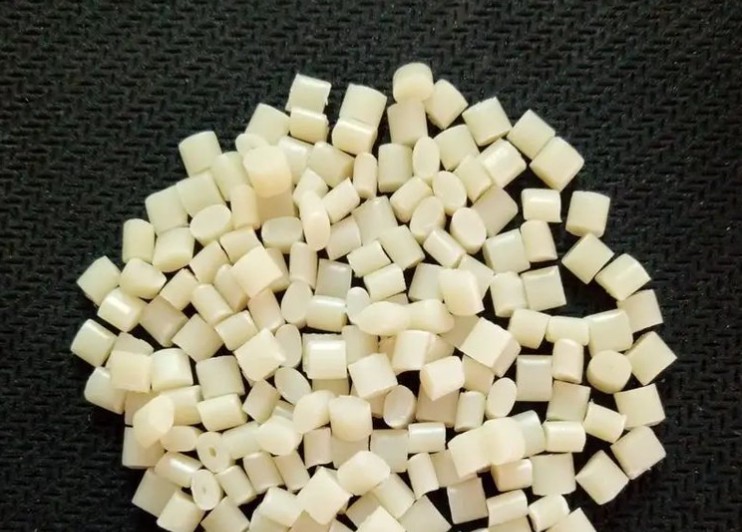
    PA46 (polybutylene adipamide) is a high-performance engineering plastic.

    I. Chemical Structure and Basic Properties

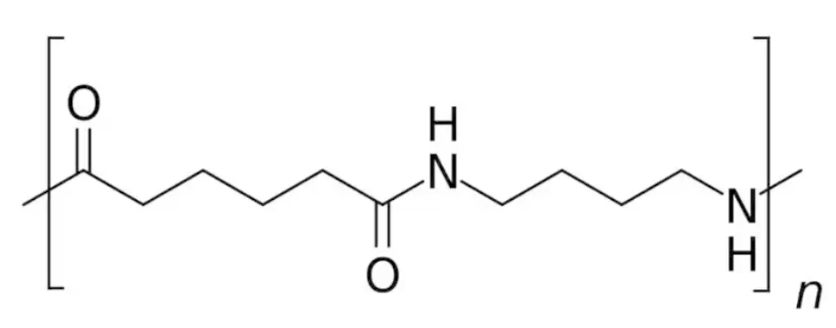
    • Molecular Structure: Formed by polycondensation of butanediamine and adipic acid, with high molecular chain regularity and a crystallinity of ~70%.

    • Physical Properties:

      • High melting point (~295°C) and heat deflection temperature, maintaining dimensional stability at high temperatures.

      • Relative density: 1.18–1.23 g/cm3.

    • Mechanical Properties:

      • High tensile and flexural strength, capable of withstanding heavy loads.

      • Excellent fatigue resistance, durable under repeated stress.

      • Good notch impact strength even at low temperatures, ensuring toughness.

    • Chemical Properties:

      • Resistant to most chemicals, with superior oil/grease tolerance at high temperatures.

      • Moderate hydrolysis resistance in wet environments.

    • Processing Performance:

      • Excellent melt flow for complex part molding.

      • Fast crystallization shortens cycle time and boosts efficiency.

      • Recyclable with 25–50% regrind usage and no significant property degradation.

      injection mould

    II. Application Fields

    • Automotive Industry:

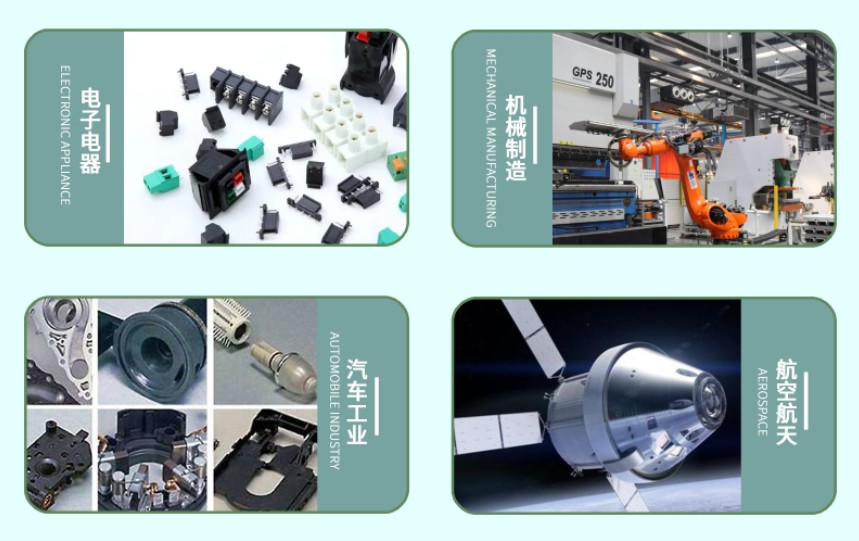
      • Engine components (intake manifolds, sensor housings, engine covers) leveraging high temperature and strength resistance.

      • Electrical system parts (connectors, relay housings) for insulation and mechanical stability.

    • Electronics & Electricals:

      • Electronic components (SMD parts, winding components) requiring dimensional precision and electrical performance.

      • Appliance housings (circuit breakers, power tool casings) using mechanical strength and flame retardancy (after modification).

    • Industrial Manufacturing:

      • Mechanical parts (gears, bearings, cams) for wear resistance, strength, and fatigue resistance.

      • Industrial connectors in automation equipment for stable, reliable connections.

      injection mould

    III. Key Processing Considerations

    • Temperature Control:

      • Barrel temperature: High enough for uniform melt (avoid >330°C to prevent degradation).

      • Mold temperature: >80°C (up to 120°C+ for better dimensional stability and flow).

    • Screw Speed: Flexible for standard grades; lower speeds for glass fiber-reinforced grades to preserve fiber length.

    • Backpressure: ~7.5 bar recommended (high backpressure extends plastification time, causes drooling, and reduces fiber length).

    • Injection Speed & Pressure:

      • High speed needed due to fast solidification, ensuring compaction and surface finish (mind mold venting).

      • Short holding time required as PA46 solidifies rapidly; proper pressure controls part appearance/dimensions.
      injection mould

    IV. Advantages Over Other Engineering Plastics

    • Vs. PA66: Higher melting point, faster crystallization, better high-temperature mechanical retention, and shorter cycle times.

    • Vs. PBT: Superior mechanical strength, fatigue resistance, and heat resistance (PBT excels in hydrolysis resistance, but PA46 suits high-temperature/high-strength applications).
    injection mould

    Home
    Product
    News
    Contact