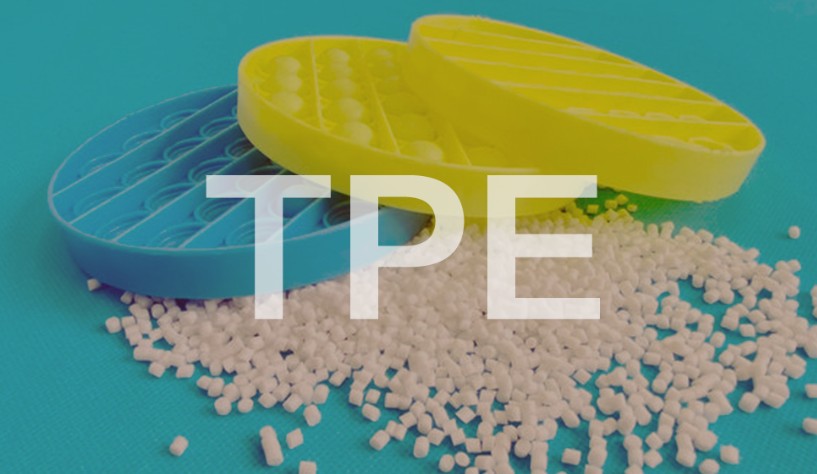
Superior Processability
Can be molded via injection molding and other processes without vulcanization, enabling short production cycles. Scrap materials are recyclable.
Diverse Physical Properties
Offers elasticity, soft touch, and a wide hardness range. Features fatigue resistance, with some formulations exhibiting good chemical resistance.
Environmental Safety
Mostly non-toxic and compliant with environmental standards; some are degradable.
Design Flexibility
Easy to color, suitable for secondary processing, and can be co-molded with other plastics.
Good Weather Resistance
Typically maintains stable performance between -40°C and 100°C, with some grades suitable for broader temperature ranges.
Lightweight
Lower density than rubber and some plastics.
Limited High-Temperature Resistance
Common types have a maximum service temperature of ≤100°C and may soften/deform at higher temperatures.
Inadequate Oil Resistance
Generic types are prone to swelling when in contact with oils. Improved formulations are costly and still inferior to traditional rubber.
Lower Mechanical Strength
Tensile and tear strengths are lower than vulcanized rubber, making it unsuitable for high-strength structural components.
Poor Solvent Resistance
Some types are easily dissolved by organic solvents such as aromatic hydrocarbons.
Higher Cost
Raw material costs for high-performance grades are high, with some relying on imports.
Moderate Dimensional Stability
May undergo slight deformation in high-temperature or high-humidity environments.