Guidelines for PC Plastic Injection Molding
PC (polycarbonate) is a transparent, high-impact, high-strength engineering plastic widely used in electronics, automotive, optical, and structural components. PC is sensitive to moisture, temperature, shear, and cooling. Improper processing can cause silver streaks, bubbles, cracking, weld lines, warpage, and reduced transparency. This article summarizes key processing considerations for stable PC molding.
Raw Material Drying
PC absorbs moisture easily, which causes defects and degradation during processing.Drying temperature: 100℃ – 120℃Drying time: 4 – 6 hoursUse a dehumidifying dryer. After drying, keep the material sealed and insulated.
Barrel and Nozzle Temperature
PC has high melting temperature and narrow processing window.
Rear zone: 260℃ – 270℃
Center zone: 270℃ – 285℃
Front zone: 275℃ – 290℃
Nozzle: 270℃ – 285℃
Do not exceed 400℃ residence time to avoid degradation.
Mold Temperature
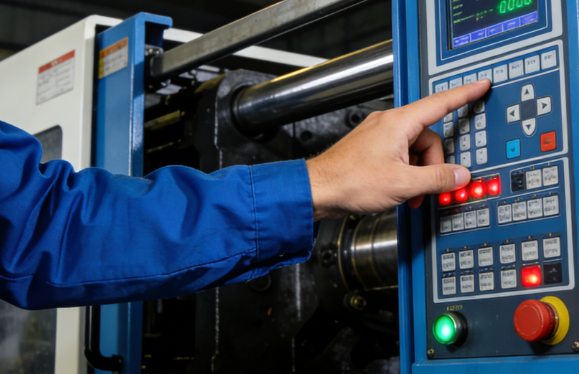
Mold temperature controls internal stress, transparency, and dimensional stability.Standard mold temperature: 80℃ – 100℃High-transparency parts: 100℃ – 120℃
Uniform cooling circuits are essential for consistent quality.
Injection Speed, Pressure and Back Pressure
PC has relatively high viscosity. Use moderate to high injection pressure and medium to high speed. Multi-stage injection is recommended to improve flow and reduce defects.
Back pressure: 5 – 15 MPa. Avoid excessive shear heat.
Mold Design and Venting
Sufficient venting is critical. Vent depths of 0.02–0.04mm help eliminate burn marks, poor welding, and trapped gas. Gates and runners should be designed for smooth, non-turbulent flow.
Post-Molding Annealing
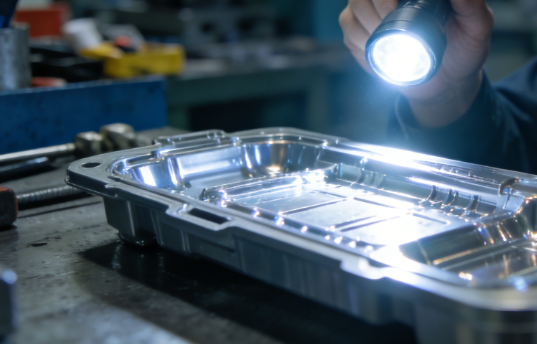
PC parts often retain internal stress that can lead to cracking.Annealing temperature: 100℃ – 120℃Holding time: 1 – 4 hours, followed by slow cooling.
Common Defects and Troubleshooting
Silver streaks and bubbles usually relate to drying or temperature. Cracking and stress whitening indicate high internal stress. Poor welding and haze relate to venting, temperature, or material quality.
Conclusion
Stable PC injection molding requires strict drying, accurate temperature control, balanced injection parameters, proper mold design, and effective stress relief. Following these guidelines ensures high transparency, good appearance, and consistent mechanical performance.